 ultimate-guide
Questions to Ask Renovation Contractors in 2026
Last Updated: September 6, 2026
Why Your Contractor Questions Matter More in 2026
Supply chain volatility, labor shortages, and inflation make vetting contractors more critical than ever.
Renovation contractors manage residential construction, coordinating subcontractors, permits, and materials. Vetting is your only real protection against a botched renovation.
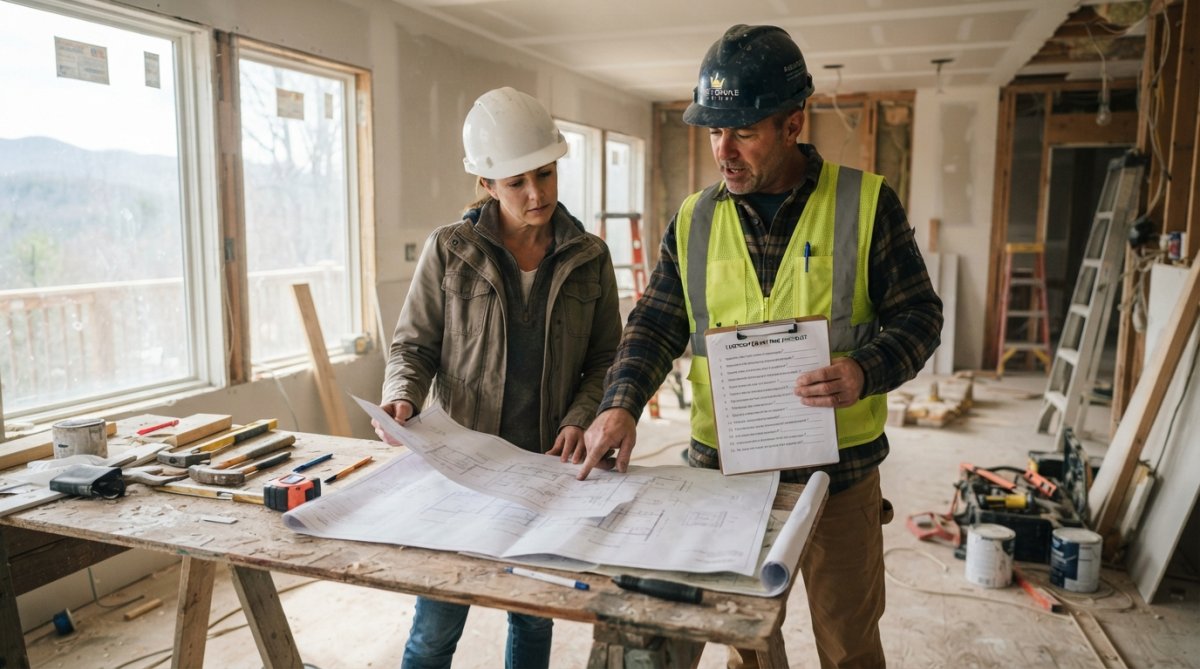
The Contractor Vetting Checklist 2026: 15 Questions to Ask Renovation Contractors
A structured interview is the most effective tool for evaluating contractors.
Licensing, Insurance, and Bonding
1. Are you licensed for residential construction in this jurisdiction?
Licensing varies by state. A legitimate contractor will volunteer their license number; verify it with your local building department.
2. Can you provide certificates of insurance for general liability and workers' compensation?
This is non-negotiable. General liability protects your property; workers' comp protects you if a worker is injured. Ask for certificates directly from their provider and verify policy dates are current.
3. Are you bonded, and what does your bond cover?
A performance bond protects you if the contractor fails to complete the project (sba.gov). If not bonded, ask why.
Project Experience and Portfolio
4. How many projects like mine have you completed in the past two years?
Recent projects matter more because building codes and materials change.
5. Can I visit a current or recently completed job site?
Photos can be staged. A live job site shows organization, cleanliness, and how they treat subcontractors.
6. Who will be on site daily, and what are their qualifications?
Many contractors bid and disappear, leaving work to inexperienced crews. Clarify who will be on site daily.
References and Past Client Feedback
7. Can you provide references from clients with projects completed in the last year?
Call recent references and ask about communication, budget adherence, and whether they would hire the contractor again.
8. Have you ever had a mechanic's lien filed against you or your company?
A mechanic's lien is a legal claim against your property by someone unpaid. Multiple liens suggest mismanaged payments.
Permits and Building Department Requirements
9. Will you obtain all necessary building permits, and who pays for them?
Permits are required for most structural, electrical, plumbing, and mechanical work (hud.gov). Skipping them is a major red flag.
10. How do you handle failed inspections?
Even good contractors fail inspections occasionally. A professional corrects the issue promptly at their own cost.
Project Timeline and Scheduling
11. What is the realistic timeline for my project, and what could delay it?
A realistic contractor provides a milestone timeline with buffer for delays. Ask who absorbs cost overruns.
12. How do you handle change orders?
Change orders are written modifications to the original scope, normal but where disputes and hidden costs arise. A clear process for documenting and approving changes before work proceeds is essential.
Communication and Point of Contact
13. How will we communicate, and how quickly will you respond?
Communication breakdowns are the most common source of homeowner frustration. Establish expectations upfront: weekly written updates? Primary point of contact?
14. What is your policy on daily cleanup and site protection?
Ask about daily cleanup, dust protection, and how they will protect your belongings.
Payment Schedules and Deposits
15. What is the payment schedule, and what happens if costs exceed the estimate?
Your payment schedule should be tied to project milestones, not a calendar. Never pay more than a reasonable deposit upfront; final payment is due only after the final walkthrough.
| Vetting Category | Key Question to Ask | Red Flag to Watch For |
|---|---|---|
| Licensing & Insurance | Can you provide current certificates? | Hesitation or expired policies |
| Experience & Portfolio | Similar projects in the last 2 years? | Only old or unrelated photos |
| References | Recent clients I can call? | Refusal or outdated contacts |
| Permits | Who pulls permits and pays fees? | Suggests skipping permits |
| Payment | Milestone-based schedule? | Demands large upfront deposit |
How to Avoid Hidden Construction Costs and Red Flags of a Bad Contractor
The other half is spotting warning signs of a contractor who will disappear, inflate costs, or deliver substandard work.
The most common source of budget overruns is the change order. Ensure the original scope is detailed enough that changes are genuinely unexpected.
A detailed contract is your primary defense: full scope of work, line-item budget, milestone-based payment schedule, timeline, change order process, and warranty clause.
Red Flags of a Bad Contractor
Several warning signs should end your conversation immediately:
- Requests for a large upfront deposit. A deposit of 10 to 20 percent is reasonable; 50 percent or more may mean they are using your money to pay off debts (the FTC).
- Pressure tactics. A contractor who insists you sign today is manufacturing urgency. Legitimate contractors give you time to review the contract.
- Refusal to put things in writing. Verbal promises are worthless when a dispute arises. If a contractor resists documenting scope, timeline, or price, walk away.
- Vague answers about subcontractors. Ask who they plan to use for specialized trades and whether those subcontractors are licensed and insured. Evasiveness may mean they hire whoever is cheapest.
- A single, low-ball estimate. If one bid is dramatically lower, ask why. It may reflect a misunderstanding of scope, a plan to cut corners, or future change orders.
Vetting Subcontractors
Ask which subcontractors they plan to use and verify their credentials. Long-term relationships with reliable subs are a strong positive signal.
Digital Project Management Tools
Ask whether the contractor uses digital project management tools; it indicates organization and gives you a written record of decisions.
Supply Chain and Material Procurement
Ask how the contractor handles material procurement, whether they order in advance, and what happens if a key material is backordered.
Green Building and Energy Efficiency
If energy efficiency matters, ask about experience with energy-efficient windows, insulation, and HVAC systems.
Final Walkthrough and Payment
The final walkthrough is your last opportunity to identify deficiencies. Walk through with your contractor and a copy of the contract, test everything, and do not make final payment until you are satisfied.
These questions reveal how a contractor runs their business and communicates, telling you whether you are hiring a professional or taking a gamble.
Choosing the right contractor is the most consequential decision in any renovation. King's Choice Solutions offers direct communication with the owner, transparent pricing with no hidden fees, and a commitment to finishing every job started. Final payment is due only after customer satisfaction. Call us for a free estimate.