 how-to
How to Vet Mountain Home Contractors: A 2026 Guide
Last Updated: September 14, 2026
Start With License, Insurance, and Bond Verification
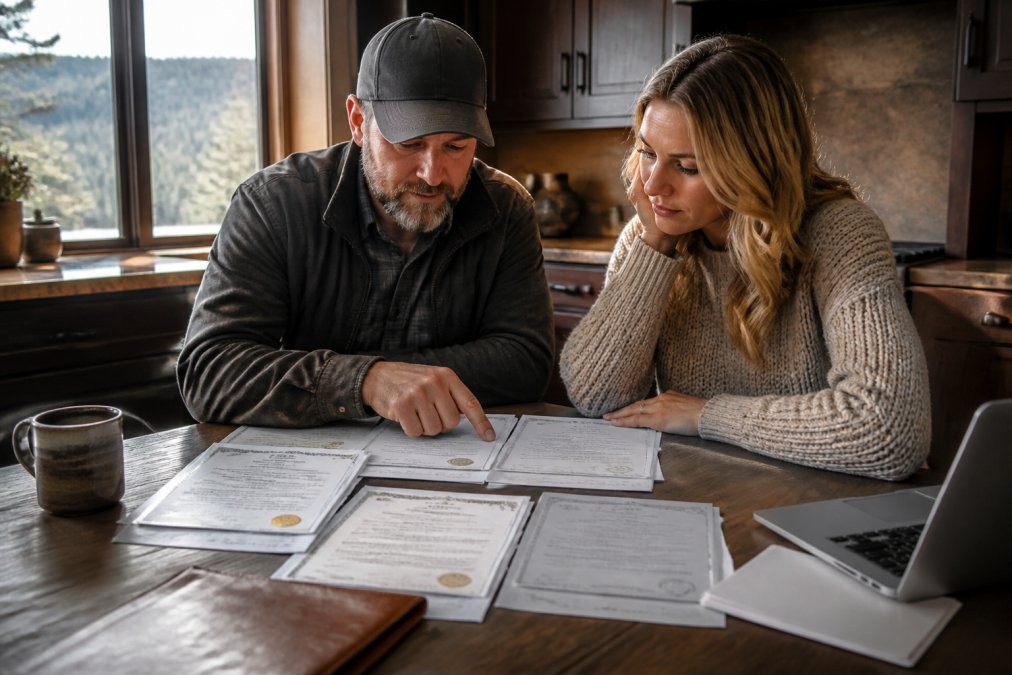
Learning how to vet mountain home contractors starts with three documents: a state general contractor license, a certificate of liability insurance, and proof of a surety bond. In North Carolina, the NC Licensing Board for General Contractors licenses general contractors, and unlicensed work above the statutory threshold is illegal. Check the license number on the board's site, confirm the name matches the contract signer, and verify the classification covers your scope.
Contractor Reference Check Questions That Reveal the Truth
Contractor reference check questions should probe process, not satisfaction: ask what went wrong, how it was handled, and whether they would hire again. Call references rather than emailing, and treat missing references from comparable projects as a gap.
Home Renovation Red Flags and How to Avoid Hidden Construction Costs
Home renovation red flags cluster around money and paperwork: a large upfront deposit, no written contract, pressure to decide quickly, and a bid far below every other. Avoiding hidden construction costs comes down to one habit: get every number in writing before work starts.
| Red Flag | What It Usually Means | What To Do |
|---|---|---|
| Large upfront deposit | Cash-flow problem or no bond | Negotiate milestone payments tied to progress |
| No written contract | No enforceable scope or price | Walk away; insist on a signed agreement |
| Bid far below others | Missing scope or future change orders | Compare line items, not totals |
A written contract should spell out the scope of work, project timeline, payment schedule, change order process, and warranty on workmanship. The FTC's consumer guidance on home improvement scams recommends never paying in full upfront and getting all promises in writing.
Why Mountain Properties Need Extra Due Diligence
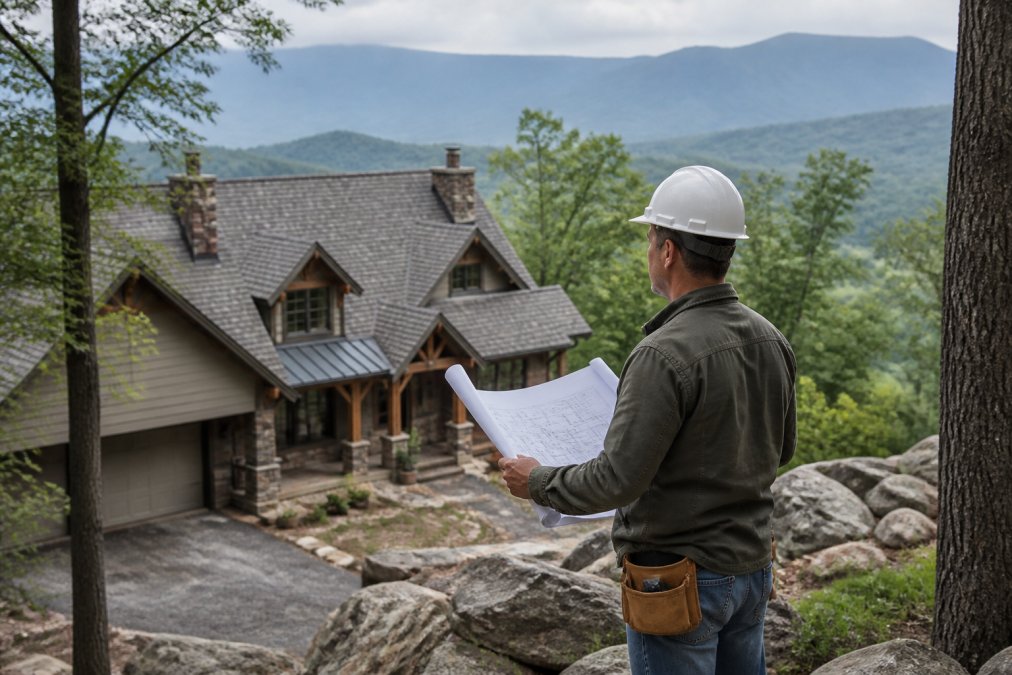
Mountain homes add logistics flatland projects never face: steep access roads, limited delivery windows, seasonal weather, and hauled-in materials. Ask how they handle site access, equipment staging, weather delays, and whether their crew has worked at your elevation. At King's Choice Solutions, we manage projects remotely for second-home and vacation rental owners, from permits through final walkthrough.
How to Vet a Contractor You Cannot Visit in Person
Vetting a contractor remotely works if you insist on documentation at every stage: a video walkthrough of a current project, a written schedule with milestones, and a single point of contact who answers calls. If updates only arrive when you chase them, expect the same during the build.
Dispute Resolution and Payment Terms to Settle Upfront
Settle dispute resolution before you sign: your contract should state how disagreements are handled and which state's law governs. Tie payments to completed milestones, hold back final payment until you are satisfied, and define "satisfied" in writing. A lien waiver from each subcontractor at payment time protects your property from a mechanics lien.
Your Contractor Vetting Checklist
- Verify the license number on the state board site
- Confirm liability insurance and workers compensation coverage
- Obtain proof of a surety bond
- Call at least three references from comparable projects
- Get multiple written estimates and compare line items
- Confirm who pulls the building permit
- Sign a contract with scope, timeline, and payment schedule
- Hold back final payment until the punch list is complete
Vetting contractors is slow, deliberate work, and that is exactly the point. If you would rather hand the process to a team that already knows how mountain properties behave, King's Choice Solutions is licensed and insured and has served the High Country since 2019. We offer transparent pricing with no hidden fees, direct communication with the owner, and final payment due only after you are satisfied. Call for a free estimate and get the job done right the first time.